
Tucked away in the heart of Fiordland National Park, Doubtful Sound stands as one of New Zealand’s most remote and awe-inspiring natural sanctuaries. Unlike its more famous neighbor, Milford Sound, this lesser-known fiord captivates those who venture here with an atmosphere of profound serenity and untouched wilderness. Its sweeping landscapes, unique challenges of accessibility, and remarkable tranquility offer an experience that feels both adventurous and deeply peaceful—far removed from the bustle of tourist crowds.
Where is doubtful sound located?
Doubtful Sound lies in the far southwest of New Zealand’s South Island, nestled within the vast expanse of Fiordland National Park. This region represents one of the final frontiers of true wilderness accessible to travelers, yet it remains distinctly hard to reach compared to destinations like Milford Sound.
The fiord extends roughly 40 kilometers inland from the Tasman Sea, making it the second longest and deepest fiord in the national park. Here, rugged mountains, ancient forests, and cascading waterfalls form a landscape that appears untouched by time or development.
What sets doubtful sound apart from milford sound?
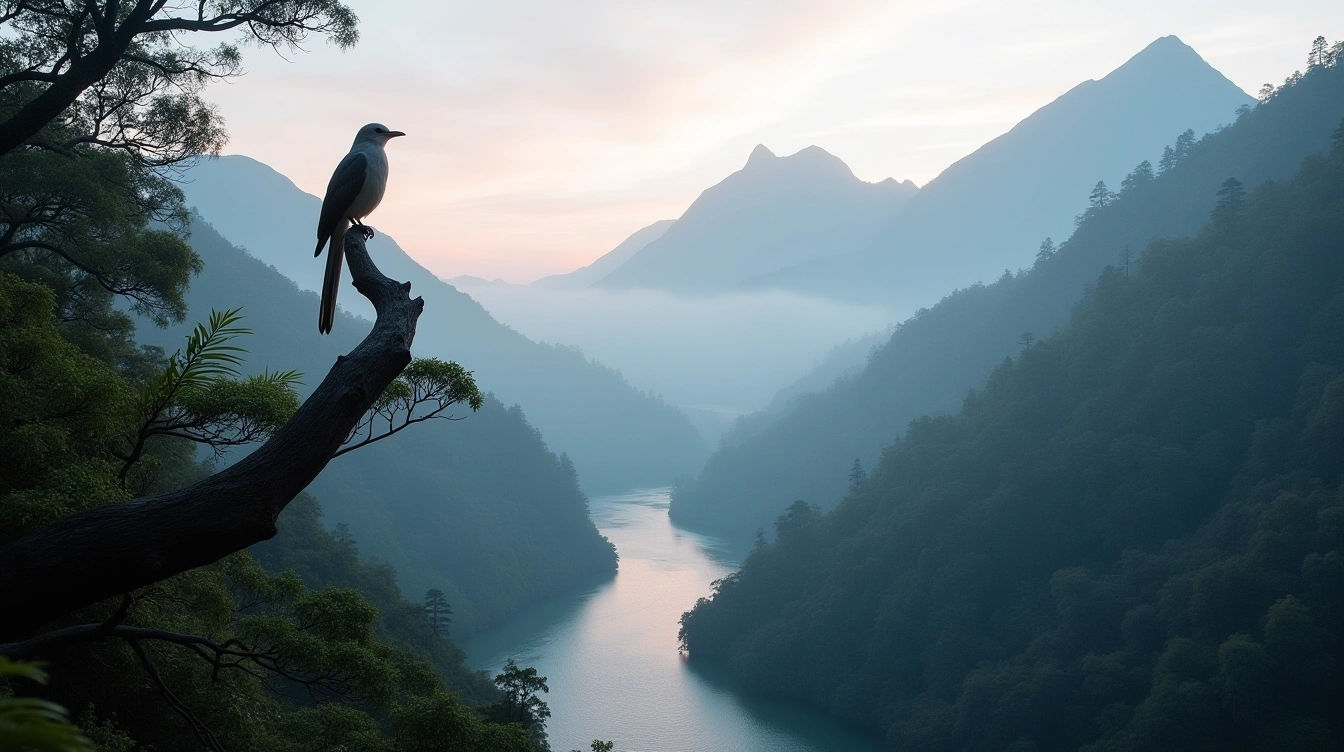
While often compared to Milford Sound, Doubtful Sound distinguishes itself through key differences that appeal to those seeking solitude and wild beauty. Its remote location and sheer size foster a sense of discovery and peace rarely found elsewhere. If you are considering an immersive trip into this remarkable destination, you might want to visit Doubtful Sound with a tour operator specializing in authentic experiences.
The journey to Doubtful Sound is an adventure in itself. Visitors begin by crossing Lake Manapouri by boat, then travel over Wilmot Pass—one of the wettest places in New Zealand—before reaching the fiord. This challenging route highlights how inaccessible and unspoiled Doubtful Sound remains, contrasting sharply with sites easily reached by highway.
Landscape, size, and vastness
Doubtful Sound impresses with its immense scale. At nearly three times the length of Milford Sound, it features multiple arms, secluded coves, and a labyrinth of waterways waiting to be explored. The dramatic combination of sheer cliffs, misty peaks, and lush rainforests creates an unforgettable visual spectacle.
This vastness ensures a rare sense of isolation. Whether embarking on a cruise or a day trip, visitors are enveloped by open space and untamed scenery. Many describe the experience as stepping into a world still shaped by ancient geological forces.
Serenity, peacefulness, and quiet
The difficulty of accessing Doubtful Sound helps preserve its extraordinary peacefulness. Instead of urban noise, visitors are greeted by birdsong, the soft whisper of wind through ferns, and the distant roar of waterfalls. For many, this profound quiet becomes the most memorable aspect of their visit.
On clear days, mirrored reflections reveal forested slopes gliding across calm waters. Frequent rainfall—the fiord sits among the wettest places in New Zealand—adds a mystical veil and intensifies the sense of calm, making each visit unique and atmospheric.
Experiences: tours, cruises, and overnight adventures
The remote nature of Doubtful Sound shapes every aspect of the visitor experience. Exploration generally requires joining organized cruises or guided tours, since no roads connect the fiord directly to nearby towns. These excursions emphasize environmental stewardship and authentic immersion in pristine landscapes.
Visitors can choose from a variety of options, whether seeking a brief introduction or an extended stay beneath star-filled skies.
Day trips
Day trips start early, combining boat transport across Lake Manapouri with a coach ride over Wilmot Pass before boarding vessels in Doubtful Sound. Guides highlight native wildlife such as seals, dolphins, and penguins, sharing insights on the region’s rich history and ecology.
Stops at scenic viewpoints allow for breathtaking photos of ever-changing light, mist, and vibrant greens after rain. Hours spent on these tranquil waters, far from other boats, leave lasting impressions of quiet isolation.
Overnight cruises
For deeper immersion, overnight cruises let guests witness sunrises and sunsets only visible in such remote settings. Sleeping aboard amplifies the sensation of disconnecting from modern life, while the absence of light pollution reveals dazzling night skies.
Longer journeys include kayaking, exploring hidden inlets, and listening for rare bird calls echoing through the landscape. The slow pace encourages mindfulness and appreciation for the surrounding wilderness.
- 🛶 Multiple cruise options: day trips, overnight, private charters
- 🌧️ See waterfalls surge after frequent rainfall
- 🦭 Spot wildlife including fur seals, bottlenose dolphins, and rare birds
- 🚫 No direct road access preserves seclusion and an untouched feel
Weather and the role of rain
Doubtful Sound ranks among New Zealand’s wettest places, receiving between 6,000 and 8,000 millimeters of rain annually. This abundant rainfall carves dramatic cliffs, sustains ancient temperate rainforest, and fuels spontaneous waterfalls that burst forth after storms.
Rather than deter visitors, the ever-shifting weather adds intrigue and beauty. Mist, clouds, and rainbows constantly transform the mood and appearance of the scenery. Packing waterproof clothing and embracing unpredictability ensures a rewarding visit in any season.
| 🏔️ Feature | 🌊 Doubtful Sound | 🌄 Milford Sound |
|---|---|---|
| 📍 Location | Remote, harder to reach, few people | Accessible by highway, frequent tours |
| 📏 Size/vastness | Bigger and deeper, complex waterways | Shorter, more compact |
| 🔇 Serenity/quiet | Very peaceful, rarely crowded | More visitors, bustling departure points |
| 🌧️ Rainfall | Among wettest in NZ, many waterfalls | High rain, but slightly less |
Your questions about doubtful sound answered
How do you get to doubtful sound given its remote location?
Reaching Doubtful Sound begins with a boat journey across Lake Manapouri, followed by a bus ride over Wilmot Pass. There are no direct roads leading to the fiord, which protects its untouched character. Most visits are arranged through organized tours that manage all logistics.
- 🚌 Boat and coach combination required
- 🚗 No direct car access available
- 🌳 Journey passes through spectacular wilderness scenery
What kind of wildlife can you see in doubtful sound?
Doubtful Sound supports diverse native species thanks to its pristine habitats. Visitors may spot long-nosed fur seals basking on rocks, elusive Fiordland crested penguins, and pods of bottlenose dolphins. Native birds fill the air along the forested shores.
- 🦭 Fur seals
- 🐬 Bottlenose dolphins
- 🐧 Crested penguins (seasonal)
- 🐦 Native birds including tui and fantail
Can you visit doubtful sound independently or do you need a tour?
Independent visits are extremely limited due to the lack of public access roads. Most travelers book a tour or cruise, which includes essential boat and coach transfers. Private vessels are permitted with proper authorization, but logistical obstacles make spontaneous independent visits uncommon.
- 🍃 Guided tours provide insight and safety
- ⛴️ Cruises showcase highlights and wildlife
- 🗺️ Independent sailing allowed only with strict permissions
Is it best to visit doubtful sound in rain or sunshine?
Doubtful Sound enchants in any weather. Heavy rain unleashes hundreds of temporary waterfalls and shrouds the fiord in mystery, while sunshine brings clarity and brilliant reflections. Each condition offers distinct rewards, so packing flexible clothing and an open mind is recommended.
- 🌈 Sun: Vivid colors and tranquil reflections
- ☔ Rain: Dramatic waterfalls, moody vistas
- 🧥 Bring layers and waterproofs for every visit
| 🌤️ Weather | 💡 Scenic effects |
|---|---|
| Rain | Countless waterfalls, misty landscapes |
| Sunshine | Sharp contrasts, mirrored surfaces |
In summary, Doubtful Sound promises a rare encounter with unspoiled wilderness, captivating visitors with its vast landscapes, serenity, and rich wildlife. The challenges of accessibility ensure an experience marked by peace and authenticity—a true escape into New Zealand’s most untouched corners. For adventurers and nature lovers alike, the fiord’s ever-changing moods invite exploration and reflection, whatever the weather. If you seek genuine remoteness and wonder, Doubtful Sound awaits your discovery.